Butchart’s Gardens is a National Historic Site of Canada. We had no plans of coming here on this trip but our hike tour was cancelled last minute. It’s a beautiful garden, the most beautiful we’ve ever seen. Continue reading
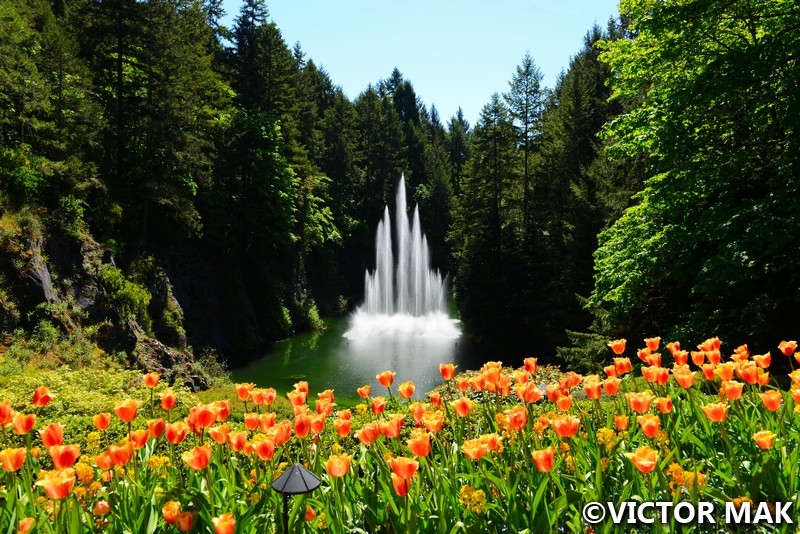
Butchart’s Gardens is a National Historic Site of Canada. We had no plans of coming here on this trip but our hike tour was cancelled last minute. It’s a beautiful garden, the most beautiful we’ve ever seen. Continue reading
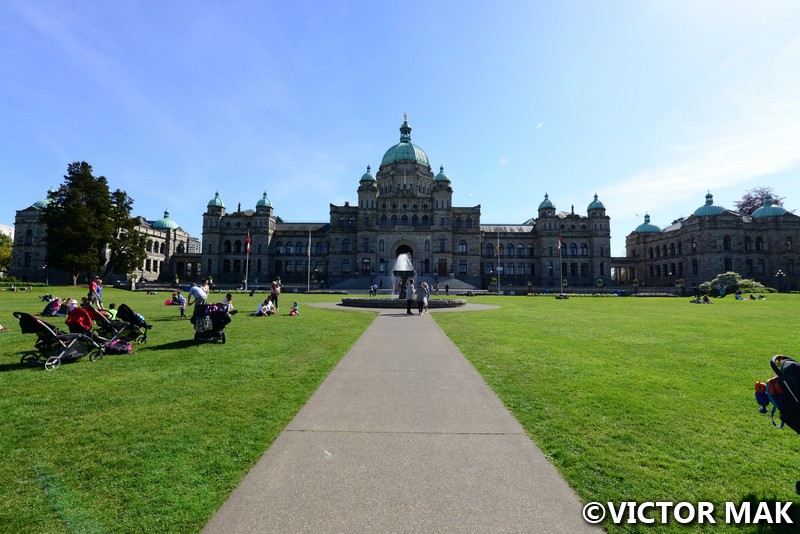
This was an amazing trip. We fell in love with British Columbia. It’s a nature wonderland and exactly what we have been craving for. It took us a few trips to understand what we like in vacations – nature. Victoria turned out to be a wonderful surprise. We didn’t expect to feel so at home. We ended up here because we wanted to go hiking and we don’t drive (a NYC handicap). Victoria had the type of tours we were looking for. Continue reading

We debated going on a ghost tour in Charleston but weren’t sold by the reviews so we decided to go for a walk at night. It creeped us out. Continue reading
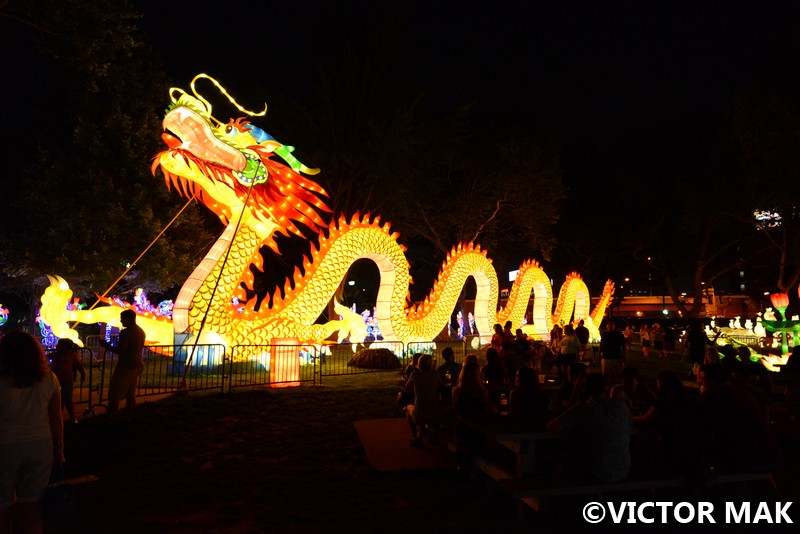
For Memorial Weekend we hopped on a bus and stayed overnight in Philly. We go there a lot. We love it there. But this time around we wanted to check out the Chinese Lantern Festival in Franklin Square. It’s really cute. It opened April 22 and closes June 12th. It’s $17 a ticket for adults, kids (ages 3-17) $12, $15 for seniors and military, kids 2 years and under are free. They have performances, food vendors and stands where you can buy trinkets. Continue reading
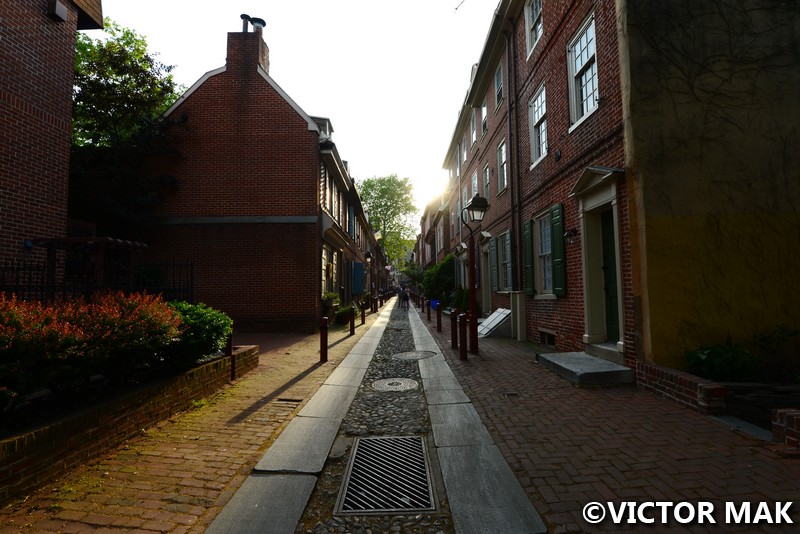
Elfreth’s Alley is a street in Philadelphia and referred to as “Our nations oldest residential address.” It dates back to 1702 and is a National Historic Landmark. The cobblestone street and Federal and Georgian style houses that line the street were common back in the 1700s. It’s named after Jeremiah Elfreth, an 18th century property owner and blacksmith. Trades people lived on this street and was once full of printers, carpenters, and different types of crafts people. Continue reading
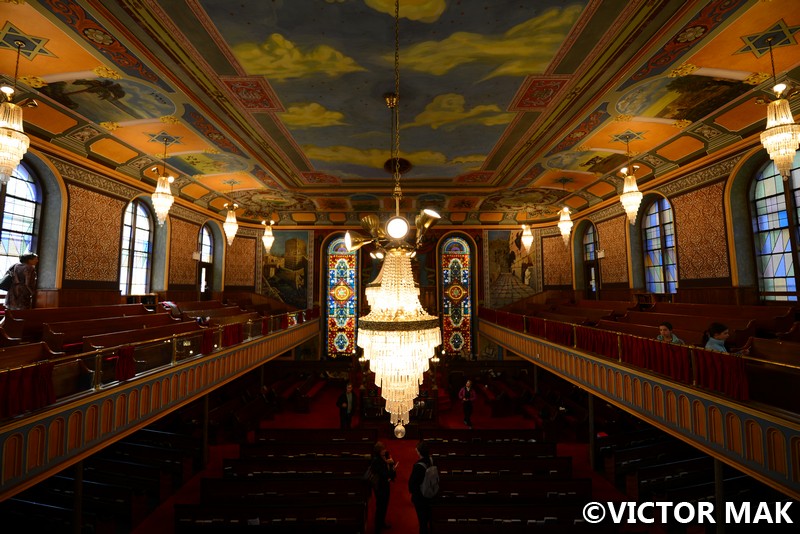
Bialystoker Synagogue is at 7-11 Bialystoker Place which use to be known as Willet Street. The building was constructed in 1826 and was the Willet Street Methodist Episcopal Church. In 1905, the synagogue bought the church. Continue reading

As the city of Charleston was being laid out in 1680, this 4 acre lot was set aside for public use. A hospital, poor house, workhouse for runaway slaves, and jail were built here. This 4 story jail with an octagonal tower was constructed in 1802 and operated until 1939. In 1855, Charleston architects Barbot & Seyle added a rear octagonal wing, expansions to the main building and Romanesque Revival details. The 1886 earthquake badly damaged Charleston and the tower and top story of the main building were removed. Continue reading

At 18 Bowery in Chinatown (on the corner of Pell Street) stands the Edward Mooney House. It was built between 1785-1789. The land was seized from British Loyalist James Delancy and sold at auction for around $50,000. Edward Mooney was a wealthy merchant and ran a wholesale meat business and was a race horse breeder. He lived in the house until his death in 1800. Continue reading
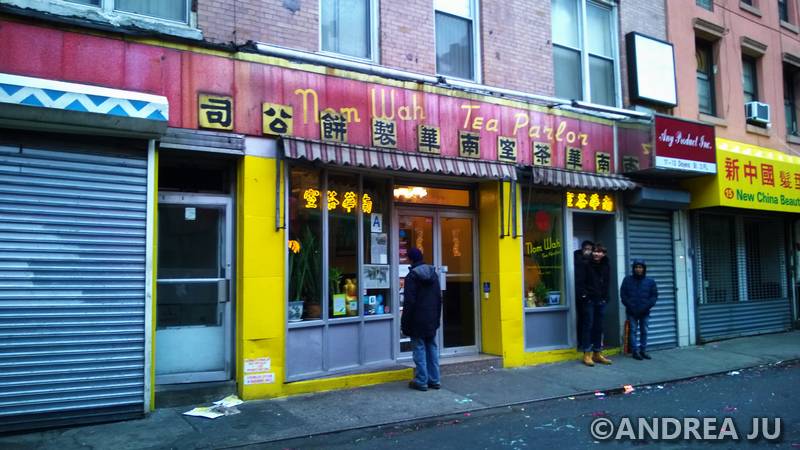
Doyers Street is an angled, narrow street that runs 1 block at a sharp angle from Pell Street into the intersection of Bowery and Chatham Square. In 1791, Dutch immigrant Hendrik Doyer bought the property and ran a distillery at 6 Doyers, the spot where the post office stands today. It was once known as the Bloody Angle for the many battles of the Tong gangs (On Leong Tong and Hip Sing Tongs) of Chinatown in the late 1800s and lasting into the 1930s. The term ‘hatchet man’ was used in the late 19th century to describe a Chinese assassin who carried a handleless hatchet. Continue reading
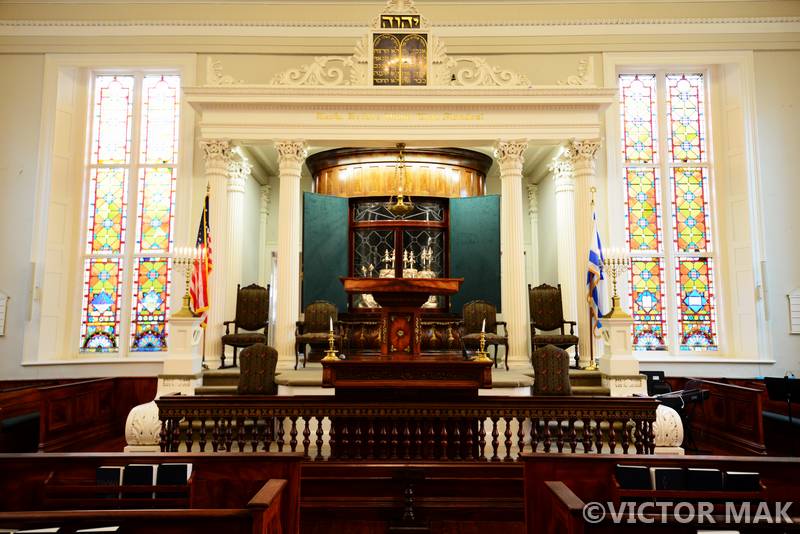
Congregation Kadosh Beth Elohim was founded in 1749 and is the 4th oldest in the nation. On wiki it says the Greek Revival building is the 2nd oldest in continual use while their pamphlet from the synagogue says it’s the oldest. Sometimes they are considered the place where Reformed Judaism was born when individuals split from the group in the mid 1800s. This new belief system spread and became the dominant belief system of American Jews. More that 90% of American synagogues were Reform by 1880. Continue reading
 Jebus Mews & Andrea